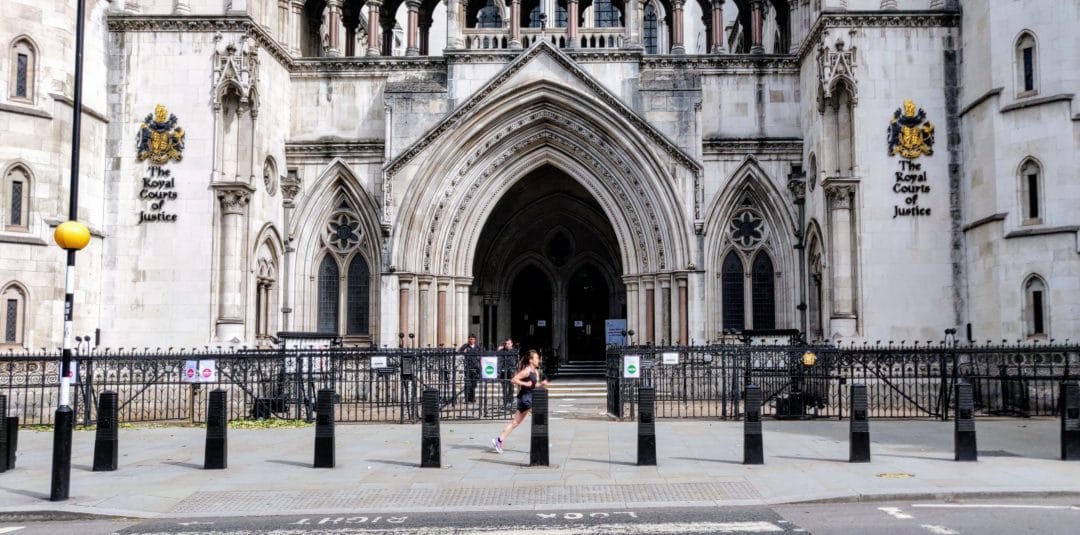
High Court: Unreasonable refusal to ADR does not attract an order for costs on an indemnity basis
In the case of Richards & Anor v Speechly Bircham LLP & Anor (Consequential Maters) [2002] EWCH 1512 (Comm) HHJ Russen QC (sitting as a judge of the…
 LEXLAW Solicitors & Barristers
We found 58 results for your search.
In the case of Richards & Anor v Speechly Bircham LLP & Anor (Consequential Maters) [2002] EWCH 1512 (Comm) HHJ Russen QC (sitting as a judge of the…

This latest High Court case again demonstrates the pitfalls for litigants who unreasonably refuse to engage in Alternative Dispute Resolution such as mediation to resolve issues. Parties that fail to do so risk be punished by the court when it comes to costs.

Yes, if the other side has no real prospect of winning. This guide explains the CPR Part 24 test, who can apply, the 14, 7 and 3 day timetable and what the court can order.

If your bank account is frozen by an interim third party debt order, the bank must hold only the amount stated in the order until a court hearing fixed for at least 28 days after it was made. You can oppose the final third party debt order and, if you are an individual, apply for a hardship payment order under CPR Part 72.

Entering mediation without proper preparation can undermine even the strongest legal position. This article explains why effective preparation is essential to successful mediation, how realistic expectations and a clear strategy can influence settlement discussions, and the practical steps parties should consider before the process begins. Whether you are an individual or a business facing a dispute, understanding how to prepare for mediation can significantly improve your prospects of achieving a timely, cost-effective and commercially sensible resolution.

From outdated statute to FCA rulebook: the Consumer Credit Act 1974 is facing its most significant overhaul in fifty years. Automatic sanctions that have protected borrowers for decades are proposed for repeal, voluntary termination rights hang in the balance, and the window to enforce existing statutory protections is closing. Here is what every borrower needs to know before the law changes.

HMRC discovery assessments can arrive years after you filed, but many are successfully challenged. This guide explains the legal framework, grounds of appeal, and how to protect your position in 2026.

In Manolete Partners Plc v Trevor Howarth [2024] EWHC 2294 (Ch), the High Court dismissed a £101,000 claim against the former CEO of One Legal Services. Manolete alleged that repayments to Mr Howarth’s director loan account during the firm’s CVA were unlawful preferences under the Insolvency Act 1986. Judge Barber disagreed, holding the payments were made in good faith.

The High Court refused a summary judgment application by Sampson Coward LLP, a Salisbury-based law firm, over its handling of £2 million in escrow funds, allegedly misapplied while acting for connected parties, following assignment of the claims to litigation funder Manolete Partners.

The High Court ordered the Brown family to repay £522,000 after authorising improper payments whilst New Line Polymers Ltd faced insolvency, constituting a serious breach of directors’ duties under the Companies Act 2006.