Category: Litigation

part 36 settlement offer litigation advice

Claimant’s Part 36 offer containing error for relevant period held to be compliant

In the High Court case of Essex County Council v UBB Waste (Essex) Ltd (No 3) [2020] EWHC 2387 (TCC), it was held that a Claimant’s Part 36 offer which failed to correctly set out the relevant period was still deemed compliant with Part 36 of the Civil Procedure Rules.

expert evidence remote hearings

Expert Witnesses: Guidance on giving remote evidence

There are, as a result of coronavirus restrictions, bound to be many more remote and virtual hearings as courts, tribunals and other forms of dispute resolution adapt to appropriate new ways of working. The guidance sets out the best ways to prepare for hearings proceeding remotely.

professional negligence no win no fee advice

Professional Negligence: Solicitors duty to warn of obvious risks

In the Solicitors Disciplinary Tribunal case of SRA v David Hayhurst, the issue of whether a solicitor is under an implied duty to carry out work that is reasonably incidental to the retainer was examined.

property litigation landlord tenant

Residential Possession cases resume on 20 September 2020

The moratorium on residential evictions comes to an end next week. New guidance is out on how landlords can issue County Court possession proceedings on tenants who have unpaid rent. However commercial tenants are protected from eviction until the end of 2020.

business interruption insurance claim solicitors

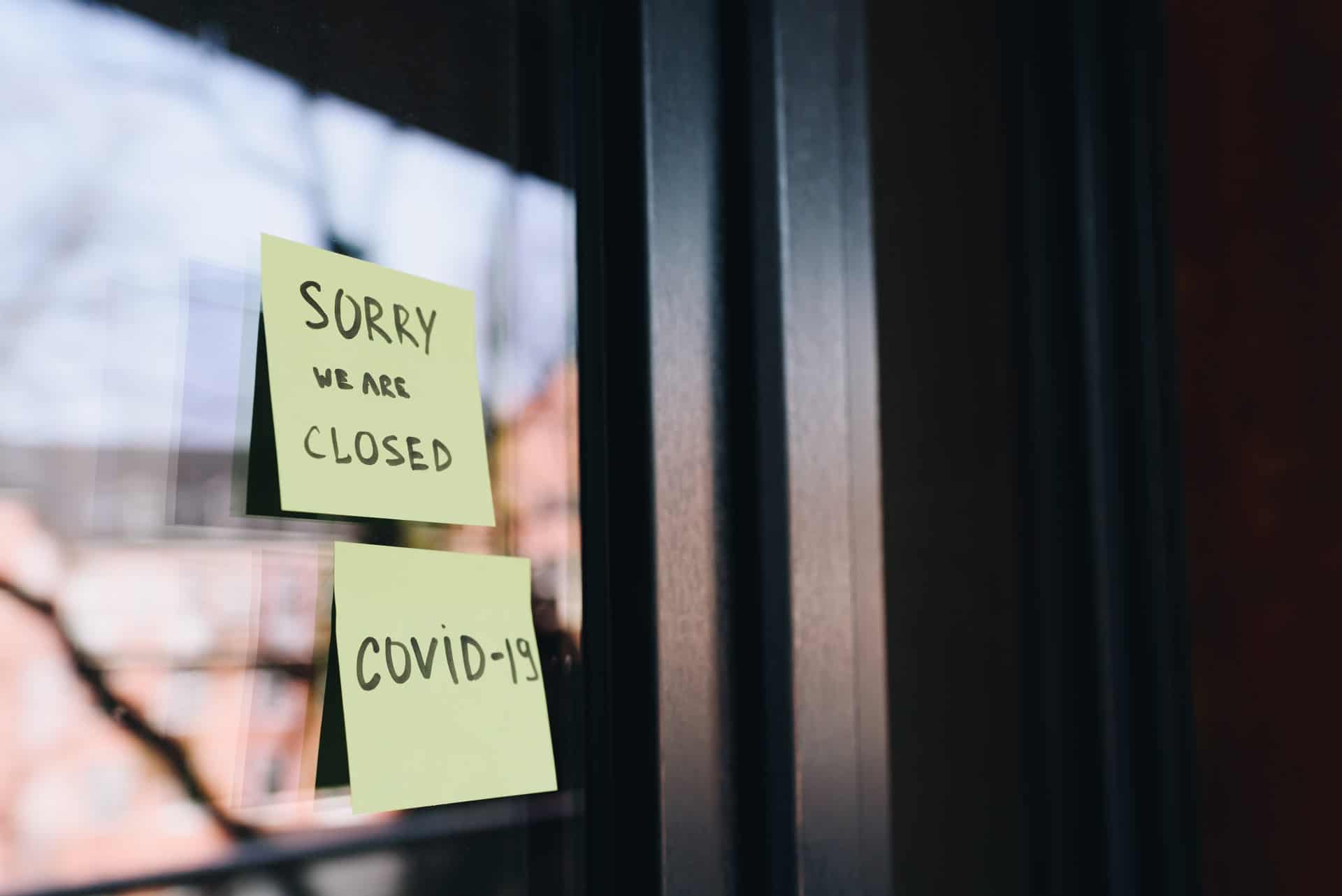
Judgment in FCA’s BI Insurance test case: Policyholders entitled to compensation

Policyholders with affected claims can expect to hear from their insurers within the next 7 days. Given the complexity of business interruption claims and the legal uncertainty surrounding their enforcement, it is is essential that you seek expert legal advice early in order to prepare your Business Interruption Insurance claim.

rcj royal court justice lawyer london litigate cpr civil commercial financial litigation

Claimant’s Part 36 offer of 99.7% was genuine offer to settle proceedings

In a multi million pound breach of contract case, where there was no substantive defence to the claim and the Defendant accepted summary judgment and liability for the Claimant’s costs, the High Court held that a Claimant’s Part 36 offer to accept only 0.3% less than the full sum being claimed was a “genuine offer to settle” under CPR 36.17(5)(e).

Unexplained wealth order

High Court: Costs penalties for a failure to engage in mediation

If a party completely foregoes mediation will that party be punished in costs? The High Court judgment highlights that although the court cannot compel parties to mediate, an unreasonable refusal to do so is likely to result in costs penalties for a defaulting party. The costs risks of unreasonably refusing to mediate or not responding to a mediation proposal may be severe.

New Practice Note: Remote Hearings in the Senior Courts Costs Office

We specialise in detailed assessments where clients are disputing the charges of their former solicitors. If you instruct us we will vigorously fight your case and get a reduction of your bill, which we will consider doing for you on a no win no fee basis. We act for both clients and for the solicitors. Our London lawyers are based just minutes from the Senior Courts Costs Office and can be deployed with speed as the client’s needs and case demands.

perry raleys solicitors london litigation lawyers lexlaw

Case Study: Supreme Court rules on Reflective Loss in Sevilleja v Marex Financial Ltd

This decision confirms the rule against reflective loss as an important tool to protect the payment waterfall for unsecured creditors in the event of a company’s insolvency.

FCA High Court case SME advice

Update: FCA’s Business Interruption Insurance Test Case

The FCA’s test case is likely to be the quickest route to clarity on whether losses caused by Covid-19 are covered by Business Interruption insurance. Most SME insurance policies are focused on property damage (and only have basic cover for BI as a consequence of property damage) so, at least in the majority of cases, insurers are not obliged to pay out in relation to the coronavirus pandemic. This case is focused on the remainder of policies that could be argued to include cover.