
Section 36 AJA 1970: Delay Mortgage Repossession
Behind on your mortgage and facing a court date? Learn how the court can give you more time, what evidence persuades a judge and why bridging loans are treated differently.
 LEXLAW Solicitors & Barristers
Behind on your mortgage and facing a court date? Learn how the court can give you more time, what evidence persuades a judge and why bridging loans are treated differently.

If your company is struggling financially, your legal duties as a director change before formal insolvency begins. When does a company director’s duty shift from shareholders to creditors? Following the Supreme Court ruling in BTI v Sequana, directors face strict legal consequences for decisions made during a company’s financial distress. Learn the exact legal triggers for creditor duty and how to avoid claims for breach of fiduciary duty.

Directors who continue trading after they knew, or ought to have concluded, that there was no reasonable prospect of avoiding insolvent liquidation or administration may face personal liability under section 214 of the Insolvency Act 1986. During the period in which a company is insolvent or nearing insolvency, directors’ decisions may also come under closer scrutiny, particularly where losses to creditors increase.

The Court of Appeal in London International Exhibition Centre plc v Allianz & Ors [2024] EWCA Civ 1026 upheld the High Court’s ruling that policyholders can recover COVID-19 business interruption losses under “at the premises” disease wordings, holding that each case of COVID-19 at the insured premises formed part of the concurrent cause of national closure orders.
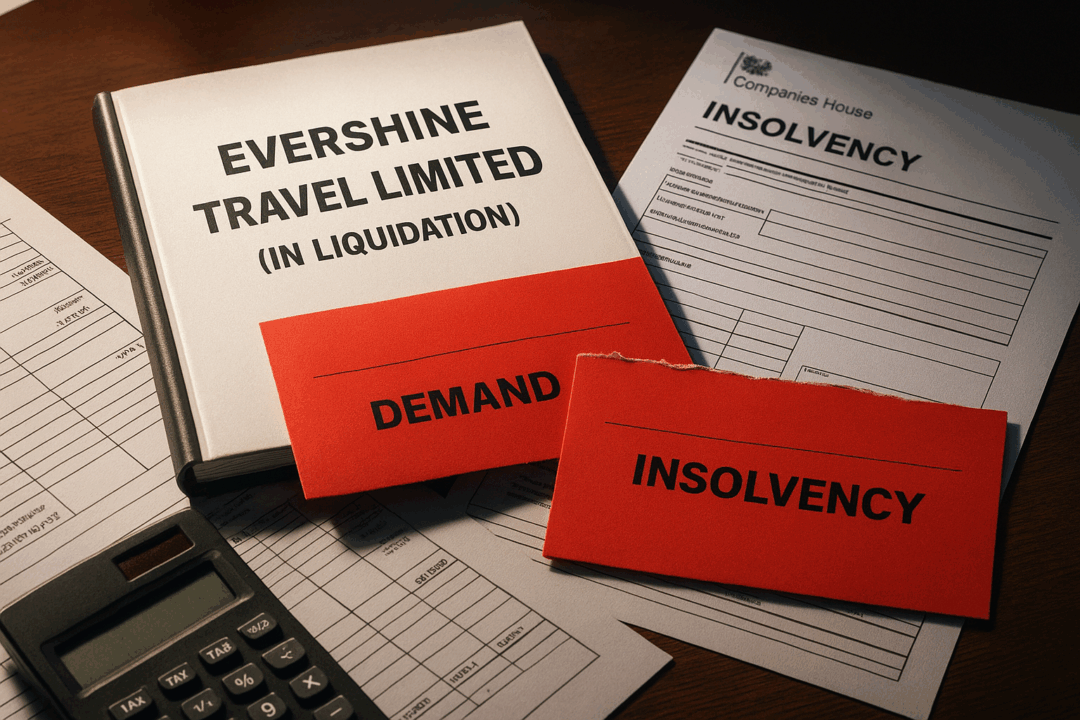
The High Court ordered the former directors of Evershine Travel Limited (In Liquidation) to repay more than £1.4 million after treating company funds as their own and authorising unlawful dividends while the company faced a £17.58 million deficit to creditors. The case highlights the severe consequences for directors who breach duties owed under the Companies Act 2006 once a company approaches insolvency.

In Tulip Trading Ltd v van der Laan & Ors [2023] EWCA Civ 83, the Court of Appeal held that software developers maintaining Bitcoin networks may arguably owe fiduciary duties to crypto owners, recognising a serious issue to be tried on whether developers’ control over blockchain code gives rise to duties of loyalty and care towards asset holders.

Contrary to common belief, unpaid High Court & County Court judgments (CCJs) do not always become unenforceable after six years. With proper legal procedures and court permission, creditors can successfully enforce judgment debts many years old.

An application for relief from sanctions under CPR 3.9 is available where a party has failed to comply with court deadlines or procedural rules. The court will apply the three-stage test from Denton v TH White Ltd, considering (1) the seriousness of the breach, (2) the reasons for the default, and (3) all the circumstances of the case. Relief must be sought promptly, as delay may undermine the application.

The High Court refused Sampson Coward LLP’s application for summary judgment in Manolete Partners Plc v Sampson Coward LLP [2023] EWHC 37 (Ch), allowing a £2 million claim concerning alleged mismanagement of escrow accounts during UK Property and Land Specialists Ltd’s insolvency to proceed. The ruling highlights the complexity of fiduciary breaches in escrow arrangements and confirms assignees’ rights to pursue breach of undertaking claims under the Insolvency Act 1986.

Unjust enrichment is a powerful remedy in English law allowing recovery where one party is enriched at another’s expense without legal justification. This guide by LEXLAW Solicitors explains how restitution claims arise in commercial, financial, and contractual disputes. We outline key legal principles, real-world examples, and common defences helping you understand your rights and take action.