
Category: Winding-up Petitions

2026 Guide UK Winding‑up Petition Procedure

2026 Guide: UK Winding‑up Petition Procedure

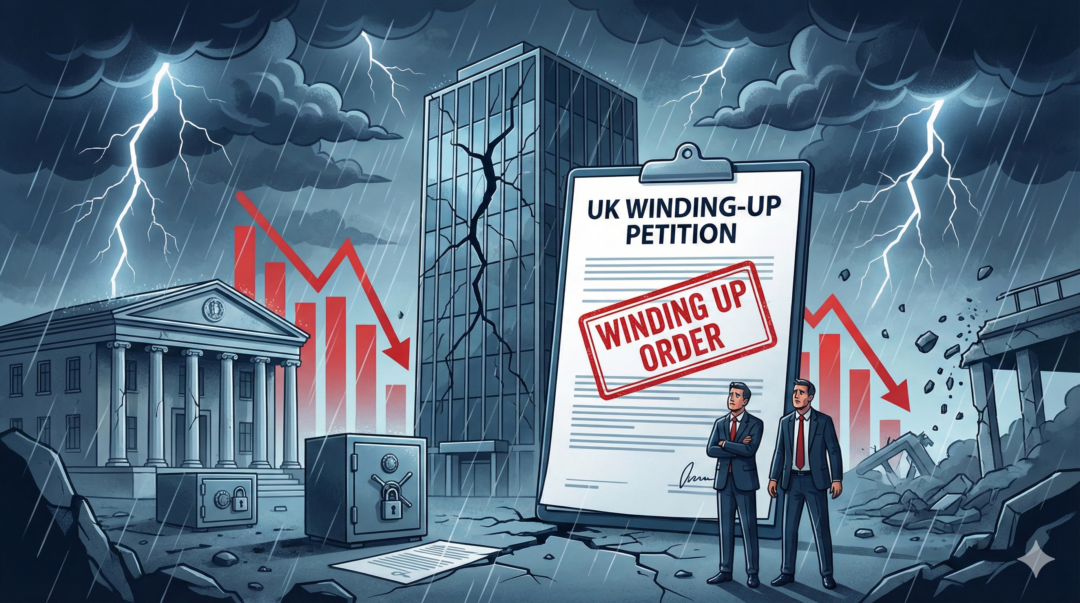
When a creditor serves a winding‑up petition, the company faces immediate risk of frozen bank accounts, compulsory liquidation and director investigation. This 2026 guide explains the UK winding‑up petition procedure step‑by‑step, from petition issue and London Gazette advertisement through to court hearings, potential rescue strategies and the consequences of a winding‑up order for directors and stakeholders.

Company directors reviewing a personal guarantee agreement after corporate default in a professional office setting

Directors’ Personal Guarantees: What Happens When a Corporate Debtor Defaults?

When a company defaults, directors who have signed personal guarantees may face direct personal enforcement. This guide explains how personal guarantees operate under UK law, when liability arises, how creditors pursue guarantors, and what legal options may be available to protect personal assets.

An illustrative graphic representing international trade finance, featuring a cargo ship, a freight plane, a globe, and secured financial documents with green checkmarks and a padlock icon, alongside stacks of cash.

Bank Refused Payment Under a Letter of Credit? Legal Rights in UK and International Trade

A letter of credit is a powerful trade finance instrument that protects both buyers and sellers by reducing payment risk in domestic and international transactions. When structured correctly, it provides certainty of payment, improves cash flow, and limits exposure to counterparty default.

Manolete Case Study: Directors Liable for £1.4m Misappropriation and Unlawful Dividends

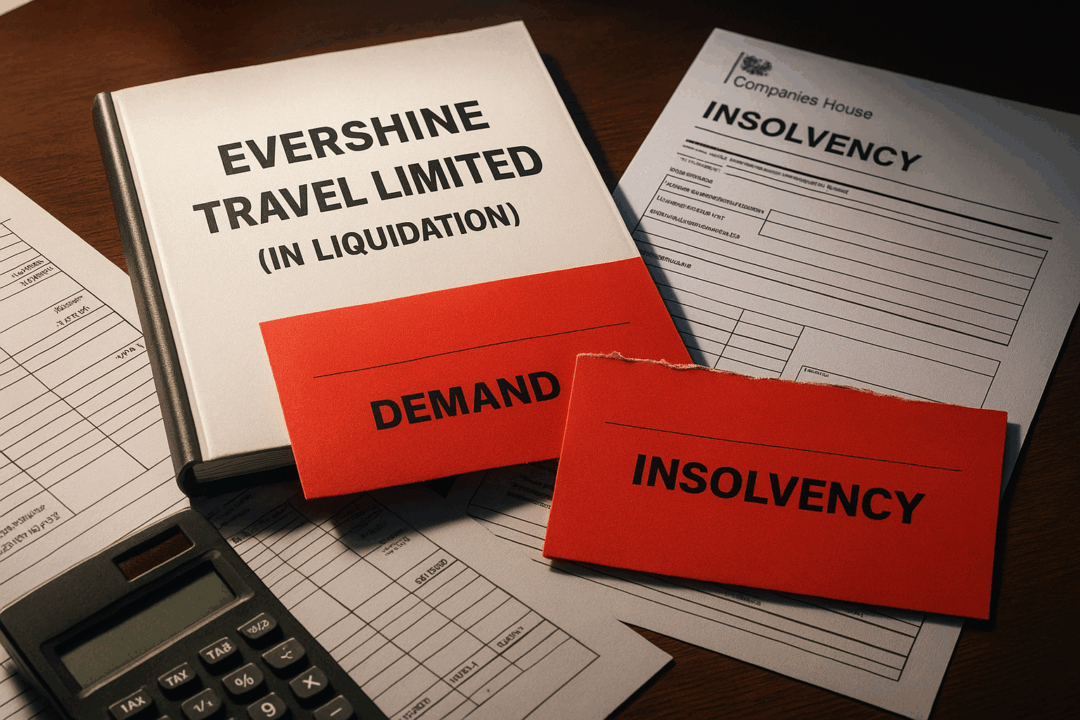
The High Court ordered the former directors of Evershine Travel Limited (In Liquidation) to repay more than £1.4 million after treating company funds as their own and authorising unlawful dividends while the company faced a £17.58 million deficit to creditors. The case highlights the severe consequences for directors who breach duties owed under the Companies Act 2006 once a company approaches insolvency.