

Tag: WestRegister

RBS GRG Review Litigation Lawyers London UK Review

FCA Statement on the FCA’s review of Royal Bank of Scotland’s treatment of customers referred to its Global Restructuring Group

The FCA’s review of RBS’s Global Restructuring Group (GRG) found no widespread evidence that RBS deliberately engineered transfers of viable businesses to GRG or acted as a “shadow director.” However, the review revealed systemic failings including poor communication, inadequate turnaround support, undue focus on pricing and debt reduction, poor valuations, conflicts of interest linked to West Register, and unfair complaint handling. Over a third of SMEs transferred to GRG faced insolvency regardless, but many also suffered inappropriate treatment.

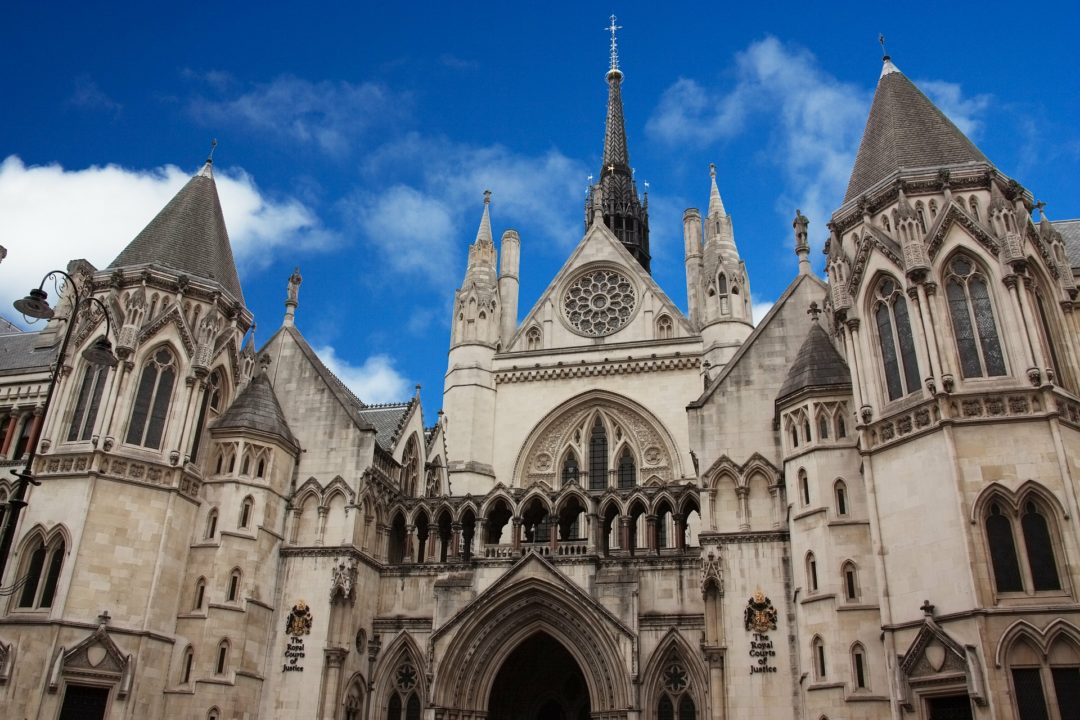
rcj royal court justice lawyer london litigate cpr civil commercial financial litigation

High Court slams Dentons and RBS for “cavalier” attitude to disclosure

The High Court criticised Dentons and RBS for a “cavalier” attitude toward disclosure in litigation, specifically failing to comply with a court order to produce around 25 million relevant documents related to LIBOR misconduct allegations. Proper disclosure is vital to ensure fairness in litigation, but RBS has a history of inadequate disclosure, including being found to have deliberately withheld documents in previous cases. This pattern raises serious concerns about RBS’s litigation culture and compliance with court rules.

Primary Keywords: RBS Royal Bank of Scotland Interest rate hedging products (IRHPs) Financial derivatives Mis-selling Litigation Settlement Businesswoman Social care services London Secondary Keywords: Complex financial products Regulatory oversight Consumer protection Financial harm LEXLAW Solicitors & Barristers High Court IRHP review scheme Financial Conduct Authority (FCA) Break costs Derivative payments Long-Tail Keywords: RBS mis-sold derivatives to businesswoman Lloyds Bank financial derivatives lawsuit Social care provider sued RBS for mis-selling IRHP mis-selling scandal Lloyds Bank settlement over complex financial products Financial harm due to mis-sold derivatives Regulatory oversight of financial institutions Consumer protection in the UK LEXLAW Solicitors & Barristers legal case London-based businesswoman wins lawsuit against RBS

LEXLAW Case Study: RBS pay £1m to settle derivatives mis-selling claim with social care provider

RBS has agreed to a £1 million settlement with a businesswoman who accused the bank of mis-selling complex derivatives. The case highlights banks selling unsuitable financial products to businesses. RBS initially denied wrongdoing but eventually agreed to the settlement, which includes repayment of derivative payments, break costs, and suspended payments. The businesswoman’s business was negatively impacted by the mis-sold derivatives, and the case exposes flaws in the Financial Conduct Authority’s IRHP review scheme.

rbs grg claim solicitors financial mis selling irhps

RBS faces call for FCA-agreed GRG Review compensation scheme

The FCA is set to recommend a compensation scheme for businesses harmed by RBS’s Global Restructuring Group (GRG), according to an upcoming report. While the GRG Review may be quicker than litigation, it is criticised for being unfair and limiting compensation. Victims are advised to consider parallel litigation, which is designed to ensure a fair outcome. GRG, a troubled business support unit within RBS, controlled assets of 16,000 SMEs before being disbanded in 2014 following misfeasance allegations.

rbs grg ross mcewan swaps misselling claims litiggation solicitor in london lexlaw high court

A Royal Bad Bank: RBS Capital Resolution (RCR)

The Royal Bank of Scotland’s “Bad Bank” known as Capital Resolution (RCR) manages GRG, IRHP, and West Register portfolios involving distressed SMEs and mis-sold interest rate hedging products. RCR’s role is to isolate risky and non-performing assets, including businesses pushed into distress by GRG to facilitate asset acquisition at discounted rates. The unit has been criticised for poor treatment of SMEs, lack of transparency, and aggressive recovery tactics.