
Tag: Insolvency

Section 994 Unfair Prejudice Petition Guide

Bringing an unfair prejudice petition under section 994 of the Companies Act 2006 involves strict procedural requirements at every stage, from pre-action conduct and the correct form of presentation through to interim injunctions, split trials and share valuation. This article explains the full procedure, the key strategic decisions involved, and why instructing specialist solicitors from the outset is essential to achieving a fair outcome.


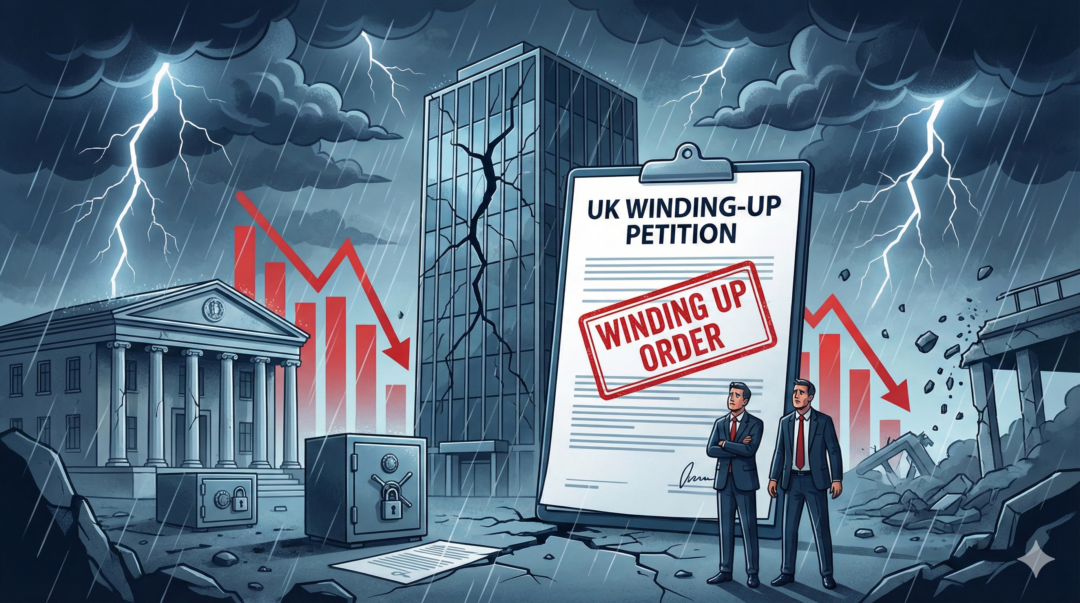
2026 Guide UK Winding‑up Petition Procedure

2026 Guide: UK Winding‑up Petition Procedure

When a creditor serves a winding‑up petition, the company faces immediate risk of frozen bank accounts, compulsory liquidation and director investigation. This 2026 guide explains the UK winding‑up petition procedure step‑by‑step, from petition issue and London Gazette advertisement through to court hearings, potential rescue strategies and the consequences of a winding‑up order for directors and stakeholders.

Digital cityscape at dawn highlighting a modern office building with overlaid financial charts and a glowing path, representing HMRC Time to Pay negotiation and structured tax repayment in 2026.

HMRC Time To Pay Guide 2026: Instalments for Unpaid Tax

A HMRC Time to Pay (TTP) arrangement lets businesses spread unpaid tax over manageable monthly instalments. In 2026, with HMRC enforcement increasing, well-prepared TTP proposals backed by financial evidence help avoid winding-up petitions, protect directors, and keep businesses trading.

Manolete Case Study: Directors Liable for £1.4m Misappropriation and Unlawful Dividends

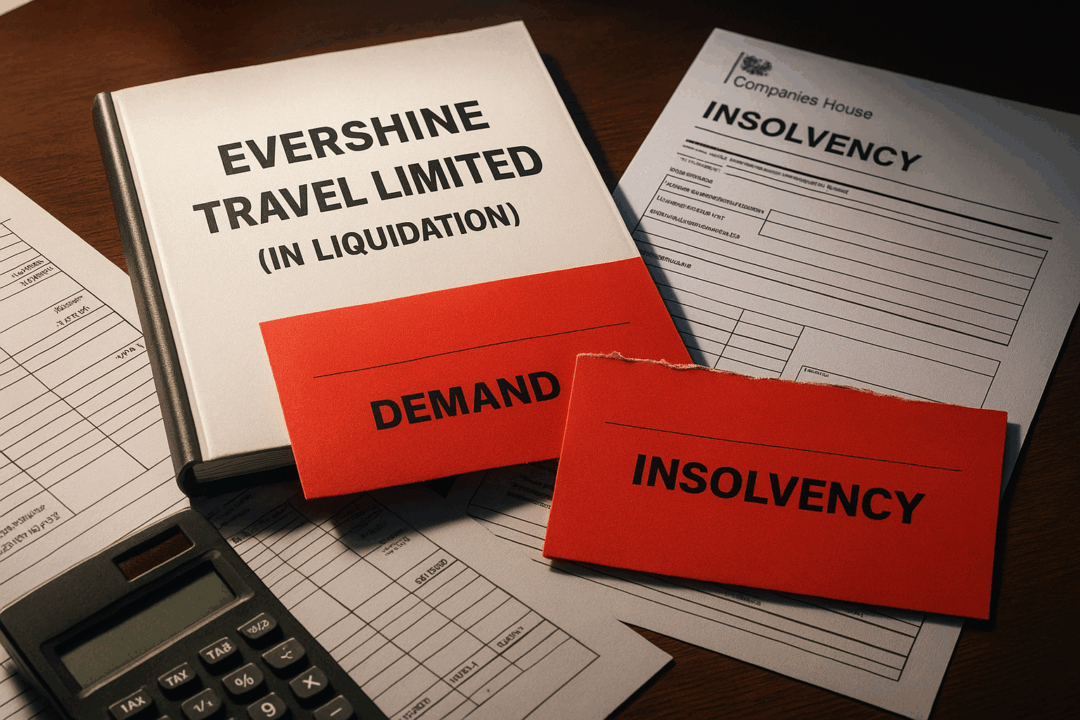
The High Court ordered the former directors of Evershine Travel Limited (In Liquidation) to repay more than £1.4 million after treating company funds as their own and authorising unlawful dividends while the company faced a £17.58 million deficit to creditors. The case highlights the severe consequences for directors who breach duties owed under the Companies Act 2006 once a company approaches insolvency.

Manolete Case Study: Directors Found Liable for Misfeasance and Dishonest Assistance (Breach of Insolvency Duties)

The High Court held that Ronojoy Nag was liable for misfeasance and breach of fiduciary duty after diverting company assets during insolvency, while his wife Amanda Nag was found liable for dishonest assistance and knowing receipt, ordering both to account for misapplied funds.