Barrier to justice raised as court fees rise by 600%
The Civil and Family Proceedings (Amendment) Fees Order has been approved in the House of Lords. This massively increases the court issue fee to £10,000 from £1,920 (raised last year from £1,670).
 LEXLAW Solicitors & Barristers
The Civil and Family Proceedings (Amendment) Fees Order has been approved in the House of Lords. This massively increases the court issue fee to £10,000 from £1,920 (raised last year from £1,670).

A KPMG whistleblower revealed that RBS pressured the FCA Interest Rate Hedging Product (IRHP) redress scheme to reduce compensation payouts, often challenging claims over £750,000. RBS preferred offering alternative products rather than cash refunds and frequently argued sales were compliant to avoid redress. The FCA’s review was criticised for lacking independence, allowing banks to self-assess wrongdoing, causing unfair delays and rejections of consequential loss claims. Many SMEs have been short-changed due to these flaws, highlighting the need for urgent legal advice and challenge of unfair redress offers.
The High Court judgment in Crestsign Ltd v NatWest & RBS ( EWHC 3043) deals with swaps mis-selling claims by Crestsign Limited against the banks. The case examined whether the banks properly advised Crestsign on interest rate hedging products (swaps) and complied with regulatory obligations. The judgment addresses issues of mis-selling, suitability of advice, and breaches of conduct rules. It forms an important precedent in derivatives mis-selling litigation against major UK banks.

Clydesdale and Yorkshire Banks have now begun a review of past sales of fixed rate loans often sold as Tailored Business Loans (TBLs). These are Fixed Rate Loan wrapper products with embedded derivatives.
HMRC has issued tax advice leaflets for banks to hand to customers receiving redress from mis-sold Interest Rate Hedging Products (IRHP), urging correct tax return reporting. Affected banks must review sales since 2001 under FCA supervision, leading to customer compensation. Redress payments, consisting of basic redress, 8% compensatory interest, and consequential losses, are generally taxable income or subject to capital gains tax. Individuals should account for tax deducted from interest. HMRC recommends consulting an accountant for complex scenarios.
The Royal Bank of Scotland’s “Bad Bank” known as Capital Resolution (RCR) manages GRG, IRHP, and West Register portfolios involving distressed SMEs and mis-sold interest rate hedging products. RCR’s role is to isolate risky and non-performing assets, including businesses pushed into distress by GRG to facilitate asset acquisition at discounted rates. The unit has been criticised for poor treatment of SMEs, lack of transparency, and aggressive recovery tactics.
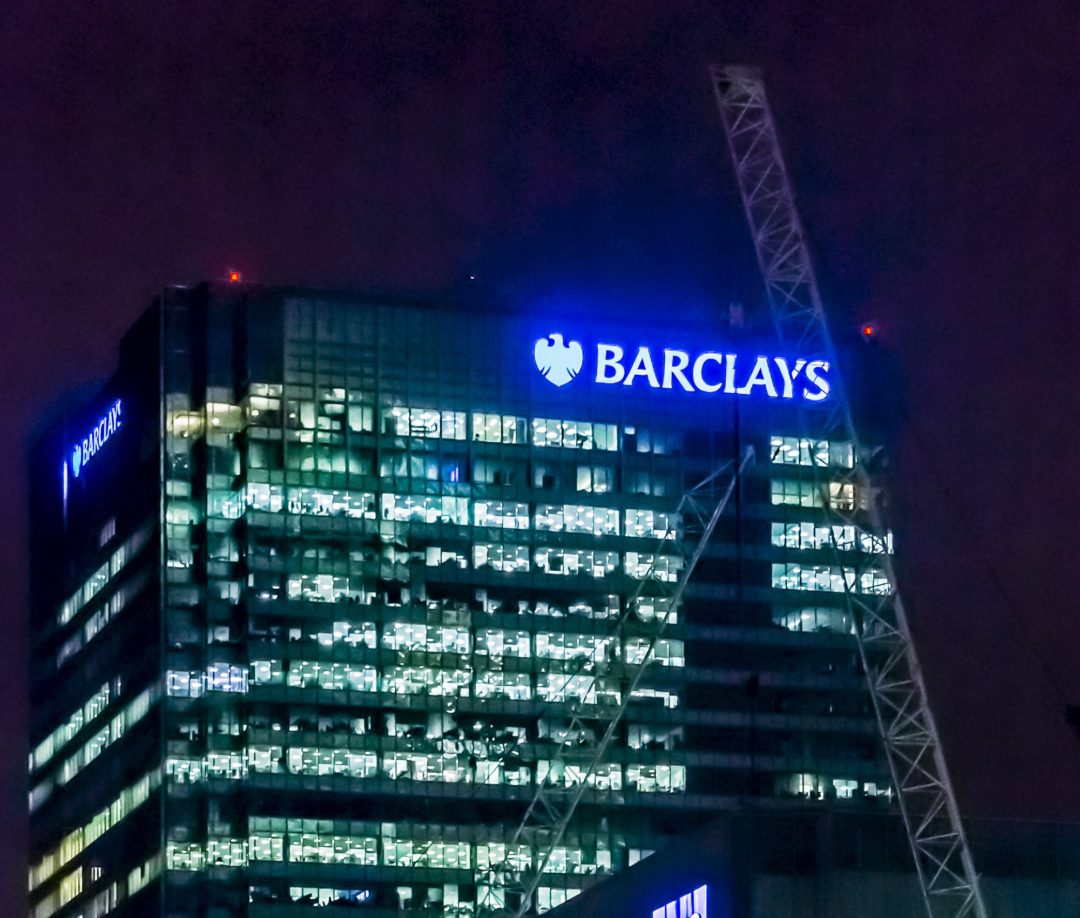
The High Court dismissed Barclays’ attempt to strike out a swaps mis-selling claim as time-barred under the six-year limitation period. The claimant relied on section 14A of the Limitation Act 1980, which extends the limitation period by three years from when the claimant knew or ought to have known the relevant facts. The court held there was a real prospect that the claimant did not know enough to investigate the claim until later, rejecting Barclays’ argument that earlier interest payments triggered the limitation clock. This ruling supports claimants in overcoming time-bar defences in swaps cases.
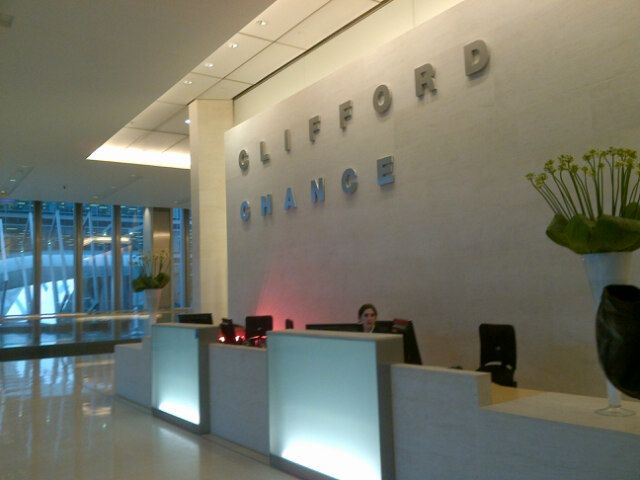
RBS Clifford Chance report on swaps mis-selling is a “whitewash” attempt to downplay the bank’s wrongdoing and avoid accountability. The report is lacks independence and fails to address the full scale of RBS mis-selling. It has fueled calls for stronger action into bank misconduct.
The Financial Conduct Authority (FCA) announced a review into allegations against RBS’s Global Restructuring Group (GRG), following claims of unfair treatment of businesses during the credit crisis. The review focuses on whether GRG used aggressive tactics that led to unnecessary fees, the stripping of assets, and forced bankruptcies. This follows whistleblower revelations and reports highlighting GRG’s controversial practices.
A report by Sir Andrew Large criticises RBS’s Global Restructuring Group (GRG) for its treatment of SMEs in financial distress. The report highlights GRG’s operation as an internal profit centre with opaque decision-making and poor governance. Customers often face unsettling decisions without clear recourse, lacking funds or expertise to challenge the bank. Large calls for a forensic inquiry into GRG’s practices to address conflicts of interest and improve the treatment of distressed SMEs.