Author: LEXLAW Solicitors & Barristers

lloyds bank london lexlaw litigation bank finance solicitor claims against banks lawyers london

The Times: Lloyds swap case settlement revealed

Our client was awarded about £1 million in a swaps mis-selling settlement with Lloyds after being sold a complex multi-cancellable swap they did not understand. The product allowed Lloyds to cancel the contract if interest rates rose, removing the protection at critical times. The case highlights how banks have been settling many swaps claims discreetly.

The Court of Appeal judgment in Green & Rowley v Royal Bank of Scotland EWCA Civ 1197 concerns the sale of an interest rate swap (IRS) by RBS to the appellants, experienced businessmen. The court upheld the trial judge’s finding that RBS complied with Financial Services Authority Conduct of Business (COB) rules, including providing clear risk warnings. Key issues included whether RBS adequately disclosed potential break costs associated with early termination. The court concluded the swap was straightforward, and the appellants were capable of understanding or seeking clarification about the risks. The judgment highlights the necessity for clear, fair communication in complex financial product sales and confirms that sophisticated clients bear responsibility for understanding such transactions. Lexlaw offers expert advice on swaps mis-selling claims and related litigation.

Court of Appeal Judgment: Green & Rowley v The Royal Bank of Scotland

The Court of Appeal in Green & Rowley v RBS confirmed that a bank does not owe a common law duty to ensure that customers fully understand the risks of interest rate swaps beyond the regulatory requirements. The case involved claims of mis-selling, particularly around inadequate disclosures. The court upheld that the bank’s compliance with the Financial Services Authority’s Conduct of Business Rules was sufficient, and the customers were considered knowledgeable enough to understand the transaction.

Directors of Virtuosi Limited were disqualified for a total of 18 years under the Company Directors Disqualification Act 1986 for selling but failing to deliver tickets for major events while continuing to trade insolvently. The disqualification prevents them from acting as directors or in similar roles for the duration, with names entered on the official disqualification register. Lexlaw offers specialist legal defence for directors facing disqualification and guidance on court applications to act despite disqualification.

Online Ticketing Company Directors Receive Lengthy Disqualification Order

Directors disqualified for 18 years under the Company Directors Disqualification Act 1986 for selling but failing to deliver event tickets while continuing to trade insolvently. Lexlaw offers specialist legal defence for directors facing disqualification and guidance on court applications to act despite disqualification.

Financial Conduct Authority FCA UK Logo - LEXLAW Litigation Law Firm in London

Interest Rate Swaps Mis-selling: FCA Publishes IRHP Review Statistics

The FCA’s update on the IRHP mis-selling review reveals severe delays, with only 10 final redress offers accepted out of over 30,000 cases after 14 months. RBS, with the largest review population, lags behind, still classifying many customers. Only 2% of sales have completed compliance assessment, with 93% found non-compliant.

SFO serious fraud office logo sign lexlaw litigation professional negligence tax insolvency prosecution defence solicitor lawyer barrister london

White Collar Crime Update: “Making and Accepting a Financial Advantage” under the Bribery Act 2010

The Serious Fraud Office has brought its first charges under the Bribery Act 2010 against a UK company involved in a £23 million bio-fuel investment fraud. This concerns the offences of making and accepting a financial advantage, where individuals give or receive improper financial benefits connected to the performance of their functions. Convictions can result in imprisonment of up to 10 years and substantial fines. The Act also includes corporate liability for failing to prevent bribery, though companies can defend themselves by showing adequate anti-bribery procedures.

The Court of Appeal dismissed the Green & Rowley appeal against RBS regarding swaps mis-selling. The appeal failed mainly because the claimants abandoned their section 150 FSMA claim, likely due to mistaken limitation concerns. The court found no common law advisory duty beyond regulatory compliance in this case. The decision highlights the critical importance of correctly calculating limitation periods in swaps mis-selling claims to avoid losing legal rights.

Green & Rowley -v- The Royal Bank of Scotland: Appeal Dismissed

The Court of Appeal dismissed the Green & Rowley appeal against RBS regarding swaps mis-selling. The appeal failed mainly because the claimants abandoned their section 150 FSMA claim, likely due to mistaken limitation concerns. The court found no common law advisory duty beyond regulatory compliance in this case. The decision highlights the critical importance of correctly calculating limitation periods.

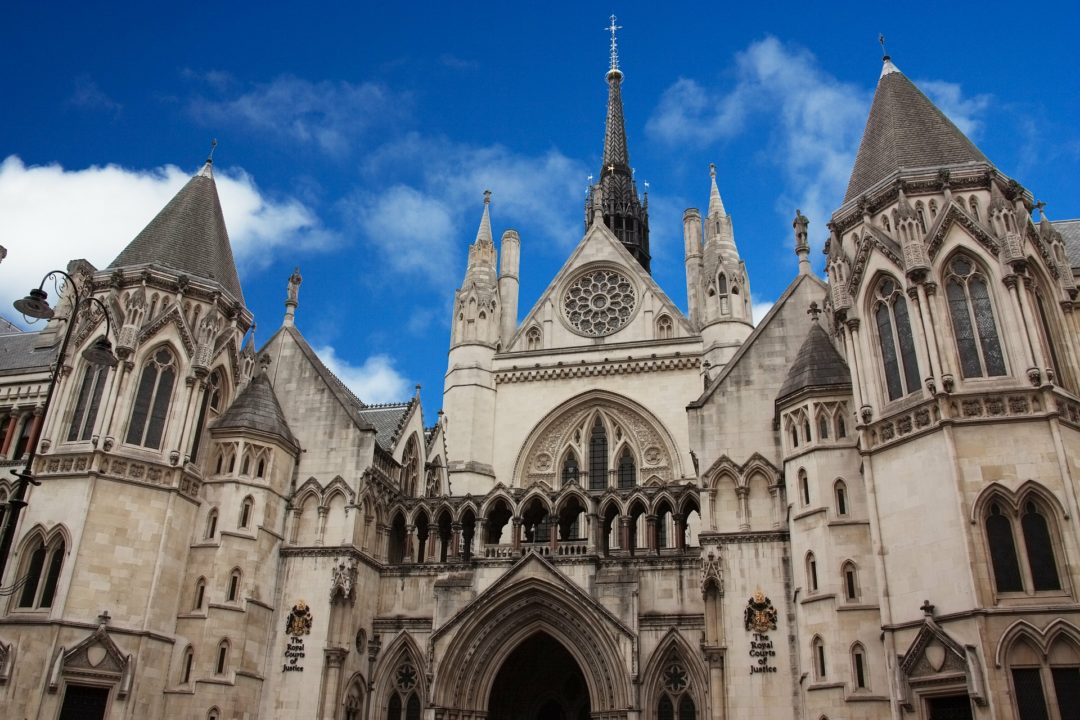
RCJ royal courts of justice london strand address lexlaw litigation solicitor professional negligence legal negligent claim advice no win no fee

Green & Rowley v RBS considered by Court of Appeal

The Green & Rowley v RBS appeal, heard by the Court of Appeal, focused on whether RBS properly explained the risks of an interest rate swap product. The FCA intervened to clarify regulatory rules on swaps mis-selling. The claimants’ decision to accept the section 150 FSMA claim as time-barred weakened their case. The judgment highlights the critical need to correctly calculate limitation periods and thoroughly manage these complex claims from the outset.

Financial Conduct Authority FCA UK Logo - LEXLAW Litigation Law Firm in London

‘FCA Swaps Review’ Update: Comment on Bank IRHP Review Delays with Statistics from the FCA

The FCA Swaps Review has faced significant delays since beginning in April 2013, frustrating many affected businesses. Latest FCA data reveals that only 50% of sophistication assessments are complete, 3.9% of cases have reached interviews, and 2.6% have had payments suspended. Delays risk customers losing legal rights due to the six-year limitation period. Concerns exist over banks bypassing the sophistication stage while fairness issues arise over banks self-assessing their mis-selling.

Financial Conduct Authority FCA UK Logo - LEXLAW Litigation Law Firm in London

‘FCA Review’ of Interest Rate Hedging (IRHP) Sales: Written Statement or ‘Fact Find’ Interview?

The FCA/FSA Hedging Review is conducted by the banks, not the regulator, and involves recorded interviews or fact-find meetings with customers. These interviews can be one-sided, with the bank’s lawyers asking questions designed to limit compensation. Customers often have limited rights to access bank records or challenge questions. A written statement, prepared with legal guidance, can be a safer way to present the sales experience without the risks of interviews.

The Financial Ombudsman Service (FOS) saw a 92% rise in new complaints in 2012/2013, with 258 cases related to interest rate hedging products (IRHPs) like swaps. However, the FOS can only handle complaints from microenterprises, excluding many small businesses. The FOS also has a £150,000 compensation cap, often insufficient for these claims. The FSA rejected setting up a special scheme for wider IRHP complaints, leaving the FOS as a last resort after bank reviews. Lexlaw advises clients to seek legal help early to avoid limitation issues and ensure full redress.

Swaps Complaints in the Financial Ombudsman Service Annual Review for 2012/2013

The Financial Ombudsman Service (FOS) saw a 92% rise in new complaints in 2012/2013, with 258 cases related to interest rate hedging products (IRHPs) like swaps. However, the FOS can only handle complaints from microenterprises, excluding many small businesses. The FOS also has a £150,000 compensation cap, often insufficient for these claims. The FSA rejected setting up a special scheme for wider IRHP complaints, leaving the FOS as a last resort after bank reviews.