Author: LEXLAW Solicitors & Barristers

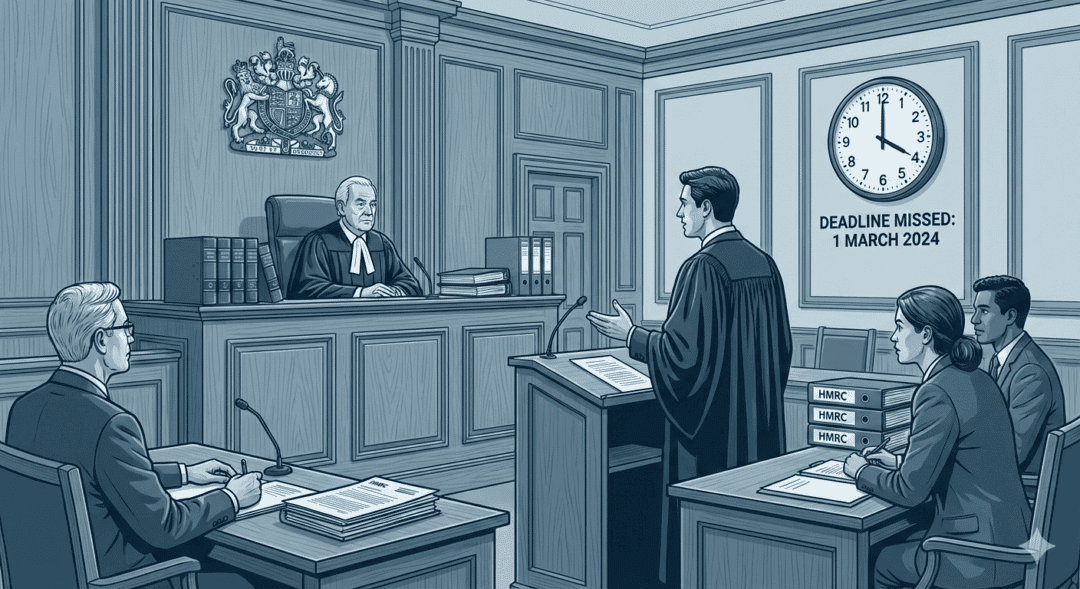
Missing your HMRC tax tribunal appeal deadline doesn't mean your case is over. The Upper Tribunal's landmark decision in Medpro v HMRC fundamentally changed how tribunals approach late appeals, moving away from the strict Martland framework that previously barred most out-of-time applications. Today, tribunals weigh all circumstances equally—delay length, reasons for lateness, and your case's strength—rather than treating deadlines as near-absolute barriers. This shift opens new pathways for taxpayers with meritorious claims, but success depends on understanding the evolving rules and acting strategically. This guide explains the current tribunal landscape and your practical options.

Late HMRC Tax Tribunal Appeals: Medpro, Martland & Your Options

Under the old Martland rules missing a tax tribunal appeal deadline meant case closure as time limits were treated as virtually absolute. The Upper Tribunal’s 2025 decision in Medpro v HMRC restores judicial discretion and elevates case merits. Taxpayers with credible explanations now have a realistic path to rescuing late appeals. Understanding the shift and presenting your circumstances effectively to a tribunal, could mean the difference between recovering a valid claim and losing it permanently.

Manolete Case Study: Directors Liable for £1.4m Misappropriation and Unlawful Dividends

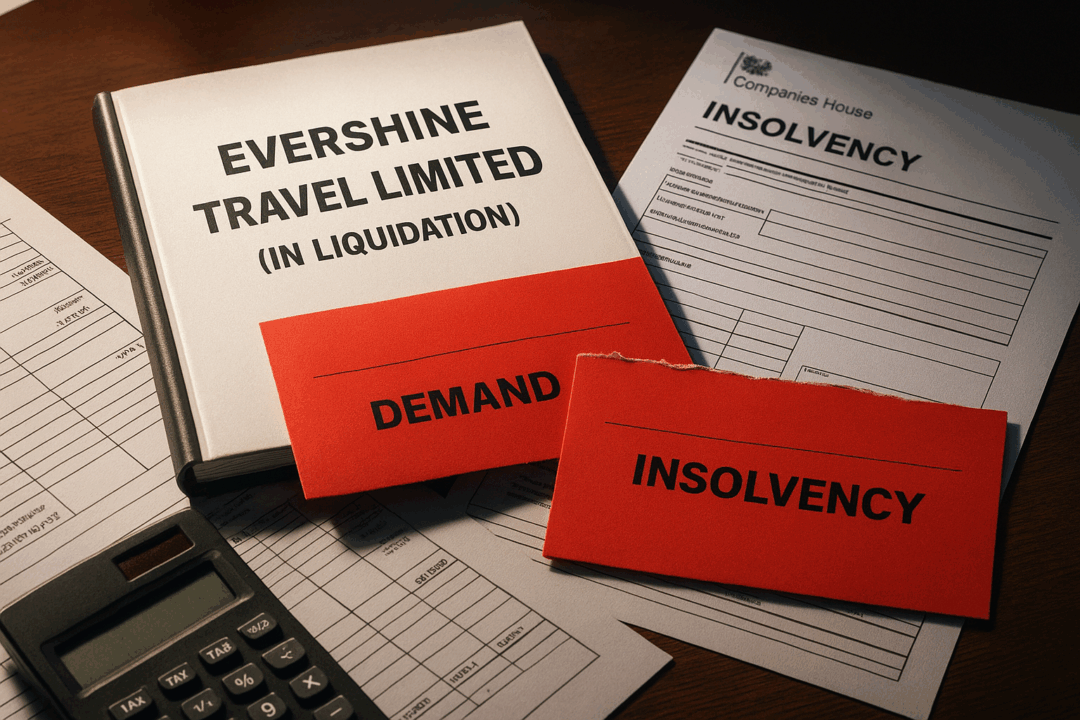
The High Court ordered the former directors of Evershine Travel Limited (In Liquidation) to repay more than £1.4 million after treating company funds as their own and authorising unlawful dividends while the company faced a £17.58 million deficit to creditors. The case highlights the severe consequences for directors who breach duties owed under the Companies Act 2006 once a company approaches insolvency.

Only with court permission under CPR 36.10. You must prove a "change of circumstances" (e.g., new evidence), not just a change of mind. See our litigation guide.

Chinda v Cardiff: Rules on Withdrawing Accepted Part 36 Offers

Master Cook’s ruling in Chinda v Cardiff & Vale University Health Board EWHC 2696 (KB) refuses permission to withdraw an accepted Part 36 offer, stressing that a mere change of mind fails CPR 36.10’s “change of circumstances” test – even for vulnerable claimants. The court prioritised CPR Part 36 certainty.

Manolete Case Study: Directors Found Liable for Misfeasance and Dishonest Assistance (Breach of Insolvency Duties)

The High Court held that Ronojoy Nag was liable for misfeasance and breach of fiduciary duty after diverting company assets during insolvency, while his wife Amanda Nag was found liable for dishonest assistance and knowing receipt, ordering both to account for misapplied funds.