
Category: Insolvency Litigation

Digital cityscape at dawn highlighting a modern office building with overlaid financial charts and a glowing path, representing HMRC Time to Pay negotiation and structured tax repayment in 2026.

HMRC Time To Pay Guide 2026: Instalments for Unpaid Tax

A HMRC Time to Pay (TTP) arrangement lets businesses spread unpaid tax over manageable monthly instalments. In 2026, with HMRC enforcement increasing, well-prepared TTP proposals backed by financial evidence help avoid winding-up petitions, protect directors, and keep businesses trading.

An illustrative graphic representing international trade finance, featuring a cargo ship, a freight plane, a globe, and secured financial documents with green checkmarks and a padlock icon, alongside stacks of cash.

Bank Refused Payment Under a Letter of Credit? Legal Rights in UK and International Trade

A letter of credit is a powerful trade finance instrument that protects both buyers and sellers by reducing payment risk in domestic and international transactions. When structured correctly, it provides certainty of payment, improves cash flow, and limits exposure to counterparty default.

Manolete Case Study: Directors Liable for £1.4m Misappropriation and Unlawful Dividends

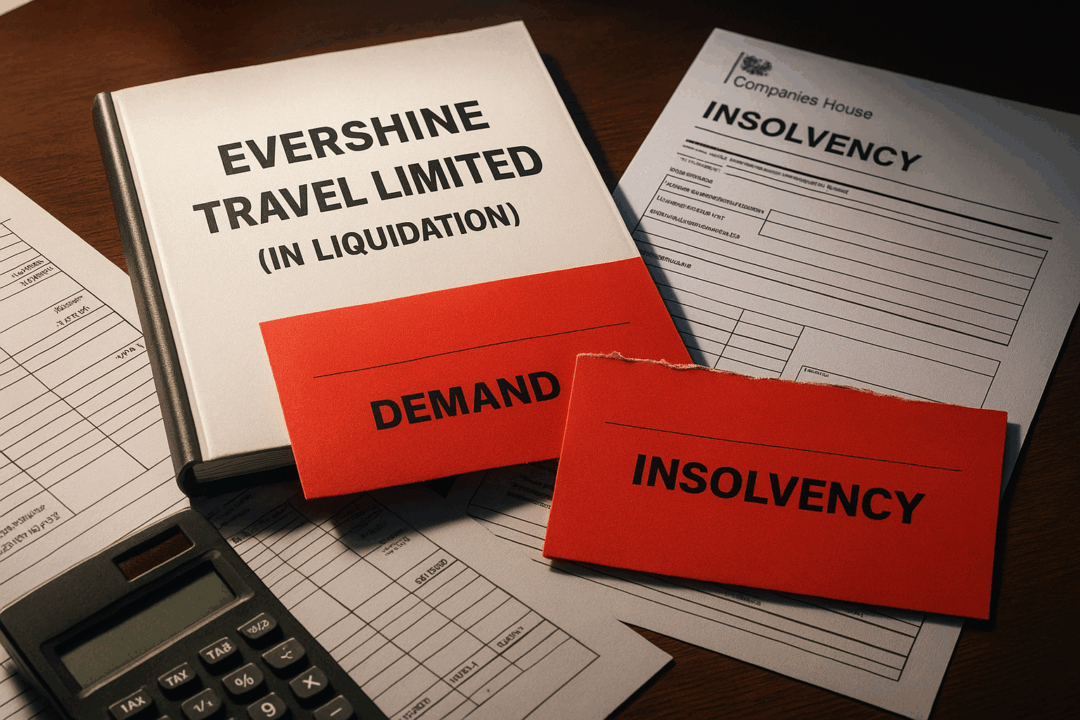
The High Court ordered the former directors of Evershine Travel Limited (In Liquidation) to repay more than £1.4 million after treating company funds as their own and authorising unlawful dividends while the company faced a £17.58 million deficit to creditors. The case highlights the severe consequences for directors who breach duties owed under the Companies Act 2006 once a company approaches insolvency.

Manolete Case Study: Directors Found Liable for Misfeasance and Dishonest Assistance (Breach of Insolvency Duties)

The High Court held that Ronojoy Nag was liable for misfeasance and breach of fiduciary duty after diverting company assets during insolvency, while his wife Amanda Nag was found liable for dishonest assistance and knowing receipt, ordering both to account for misapplied funds.

Manolete Case Study: Court Confirms Misfeasance Claims Procedure (Hybrid Insolvency Applications)

The High Court, per Chief ICC Judge Briggs, held that Manolete Partners could not advance misfeasance claims under section 212 Insolvency Act 1986 via an Insolvency Application, and instead had to pursue them under CPR Part 7, ordering payment of the full Part 7 issue fee despite procedural arguments about hybrid claims brought in insolvency proceedings.

Manolete Partners Plc v Sampson Coward LLP High Court Refuses Summary Judgment in £2m Escrow Breach Claim

Manolete Case Study: Court Refuses Summary Judgment in £2m Escrow Breach Claim (Breach of Undertaking)

The High Court refused Sampson Coward LLP’s application for summary judgment in Manolete Partners Plc v Sampson Coward LLP [2023] EWHC 37 (Ch), allowing a £2 million claim concerning alleged mismanagement of escrow accounts during UK Property and Land Specialists Ltd’s insolvency to proceed. The ruling highlights the complexity of fiduciary breaches in escrow arrangements and confirms assignees’ rights to pursue breach of undertaking claims under the Insolvency Act 1986.

manolete partners insolvency winding up petition bankruptcy solicitor barrister lawyer london high court

Manolete Case Study: Director Ordered to Repay Preferential Payment (s.239 Insolvency Act 1986)

The High Court ordered former director Simon Thacker to repay £33,542.20 after benefiting from the extinguishing of his director’s loan account, which was ruled a preference under s.239 Insolvency Act 1986. In contrast, claims against fellow director David Coleman were dismissed after he successfully rebutted the statutory presumption of desire to prefer, despite having received £15,000 shortly before insolvency.