
Summary Judgment: Win Without a Trial?
Yes, if the other side has no real prospect of winning. This guide explains the CPR Part 24 test, who can apply, the 14, 7 and 3 day timetable and what the court can order.
 LEXLAW Solicitors & Barristers
Yes, if the other side has no real prospect of winning. This guide explains the CPR Part 24 test, who can apply, the 14, 7 and 3 day timetable and what the court can order.

A government guarantee protects the lender, not the director who signed. This guide explains how personal guarantees work under the Growth Guarantee Scheme, Bounce Back Loans and CBILS, what exposure directors still face, and where a guarantee can be challenged before or after a lender’s demand.

If your company is struggling financially, your legal duties as a director change before formal insolvency begins. When does a company director’s duty shift from shareholders to creditors? Following the Supreme Court ruling in BTI v Sequana, directors face strict legal consequences for decisions made during a company’s financial distress. Learn the exact legal triggers for creditor duty and how to avoid claims for breach of fiduciary duty.

The Supreme Court has settled a question that has troubled cross-border insolvency practitioners for years: whether a creditor can petition for bankruptcy using a foreign judgment that has never been through English recognition proceedings. Drelle v Servis-Terminal LLC [2026] UKSC 29 confirms they can, reshaping the options available to creditors holding judgments from Russia, the US, China and other non-treaty jurisdictions, while leaving debtors’ substantive defences firmly intact. Here’s what changed, and what it means for you.
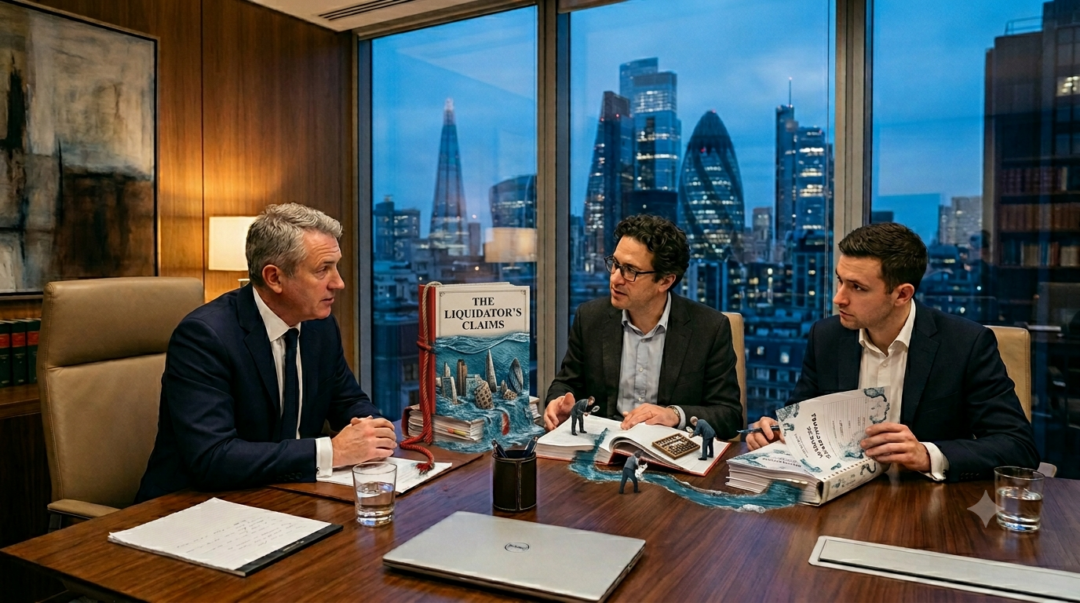
When a company enters liquidation, the liquidator investigates the conduct of its directors and can pursue personal claims for misfeasance, wrongful or fraudulent trading, preferences, transactions at an undervalue and transactions defrauding creditors. This succinct guide explains each claim and, crucially, how a director can defend it.

Directors who continue trading after they knew, or ought to have concluded, that there was no reasonable prospect of avoiding insolvent liquidation or administration may face personal liability under section 214 of the Insolvency Act 1986. During the period in which a company is insolvent or nearing insolvency, directors’ decisions may also come under closer scrutiny, particularly where losses to creditors increase.

Growing scrutiny of regulatory oversight has reignited claims that small businesses were exposed to hidden liabilities through complex lending structures, raising significant legal questions around misrepresentation, regulatory accountability, and SME redress.
You have just 18 days to challenge a statutory demand. Act fast, if you have a genuine dispute or legal defence, you may be able to stop bankruptcy proceedings. This succinct guide provides legal guidance from City of London’s specialist insolvency litigation team.
Unpaid invoices and bad debts cost UK businesses billions each year. This comprehensive 2026 guide explains every stage of commercial debt recovery in England and Wales, from pre-action letters and court proceedings to statutory demands, winding-up petitions, and judgment enforcement, with relevant case law and practical strategic advice.

When a creditor serves a winding‑up petition, the company faces immediate risk of frozen bank accounts, compulsory liquidation and director investigation. This 2026 guide explains the UK winding‑up petition procedure step‑by‑step, from petition issue and London Gazette advertisement through to court hearings, potential rescue strategies and the consequences of a winding‑up order for directors and stakeholders.