
Category: Litigation

Digital cityscape at dawn highlighting a modern office building with overlaid financial charts and a glowing path, representing HMRC Time to Pay negotiation and structured tax repayment in 2026.

HMRC Time To Pay Guide 2026: Instalments for Unpaid Tax

A HMRC Time to Pay (TTP) arrangement lets businesses spread unpaid tax over manageable monthly instalments. In 2026, with HMRC enforcement increasing, well-prepared TTP proposals backed by financial evidence help avoid winding-up petitions, protect directors, and keep businesses trading.

An illustrative graphic representing international trade finance, featuring a cargo ship, a freight plane, a globe, and secured financial documents with green checkmarks and a padlock icon, alongside stacks of cash.

Bank Refused Payment Under a Letter of Credit? Legal Rights in UK and International Trade

A letter of credit is a powerful trade finance instrument that protects both buyers and sellers by reducing payment risk in domestic and international transactions. When structured correctly, it provides certainty of payment, improves cash flow, and limits exposure to counterparty default.

London skyline (Houses of Parliament/Big Ben) with a cracked insurance contract, a bundle of Pound Sterling cash, and a symbolic broken chain. Represents the UK Court of Appeal ruling confirming COVID-19 business interruption cover and rejecting insurer arguments on causation

Insurers Lose Appeal on COVID-19 Business Interruption Cover (At-the-Premises Disease Clauses)

The Court of Appeal in London International Exhibition Centre plc v Allianz & Ors [2024] EWCA Civ 1026 upheld the High Court’s ruling that policyholders can recover COVID-19 business interruption losses under “at the premises” disease wordings, holding that each case of COVID-19 at the insured premises formed part of the concurrent cause of national closure orders.

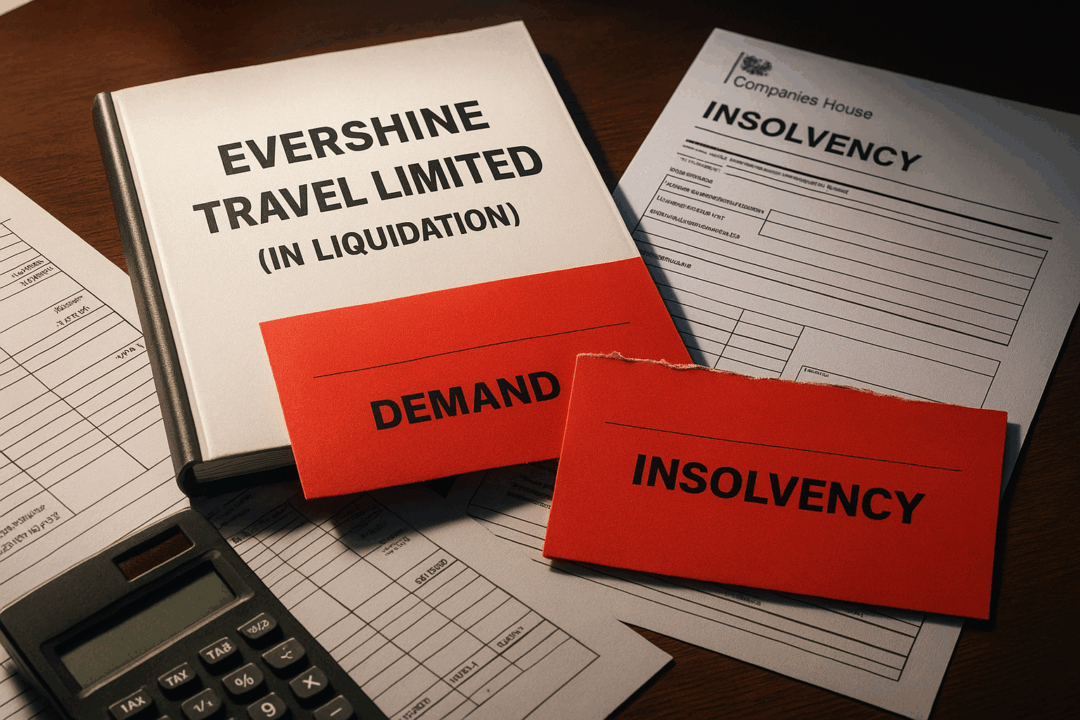
Manolete Case Study: Directors Liable for £1.4m Misappropriation and Unlawful Dividends

The High Court ordered the former directors of Evershine Travel Limited (In Liquidation) to repay more than £1.4 million after treating company funds as their own and authorising unlawful dividends while the company faced a £17.58 million deficit to creditors. The case highlights the severe consequences for directors who breach duties owed under the Companies Act 2006 once a company approaches insolvency.

Only with court permission under CPR 36.10. You must prove a "change of circumstances" (e.g., new evidence), not just a change of mind. See our litigation guide.

Chinda v Cardiff: Rules on Withdrawing Accepted Part 36 Offers

Master Cook’s ruling in Chinda v Cardiff & Vale University Health Board EWHC 2696 (KB) refuses permission to withdraw an accepted Part 36 offer, stressing that a mere change of mind fails CPR 36.10’s “change of circumstances” test – even for vulnerable claimants. The court prioritised CPR Part 36 certainty.

Stylised digital illustration showing a blockchain network connecting to the Royal Courts of Justice silhouette, symbolising the intersection of cryptocurrency technology and English fiduciary law.

Court of Appeal: Blockchain Developers Owe Fiduciary Duties to Crypto Owners (Cryptocurrency Litigation)

In Tulip Trading Ltd v van der Laan & Ors [2023] EWCA Civ 83, the Court of Appeal held that software developers maintaining Bitcoin networks may arguably owe fiduciary duties to crypto owners, recognising a serious issue to be tried on whether developers’ control over blockchain code gives rise to duties of loyalty and care towards asset holders.