
Summary Judgment: Win Without a Trial?
Yes, if the other side has no real prospect of winning. This guide explains the CPR Part 24 test, who can apply, the 14, 7 and 3 day timetable and what the court can order.
 LEXLAW Solicitors & Barristers
Yes, if the other side has no real prospect of winning. This guide explains the CPR Part 24 test, who can apply, the 14, 7 and 3 day timetable and what the court can order.
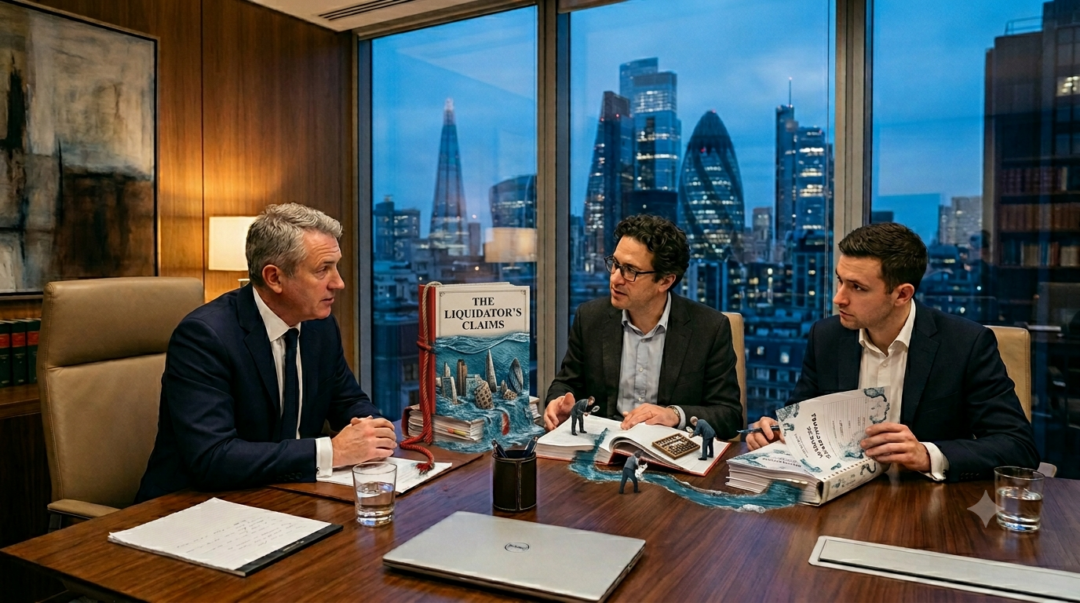
When a company enters liquidation, the liquidator investigates the conduct of its directors and can pursue personal claims for misfeasance, wrongful or fraudulent trading, preferences, transactions at an undervalue and transactions defrauding creditors. This succinct guide explains each claim and, crucially, how a director can defend it.

LEXLAW forced HMRC to withdraw a near £1m VAT best judgment assessment after we demonstrated it had been issued against the wrong taxable person. A historic VAT registration error by HMRC lay at the root of the dispute. Our legal investigation with specialist tax counsel secured HMRC’s total defeat before trial.

Directors who continue trading after they knew, or ought to have concluded, that there was no reasonable prospect of avoiding insolvent liquidation or administration may face personal liability under section 214 of the Insolvency Act 1986. During the period in which a company is insolvent or nearing insolvency, directors’ decisions may also come under closer scrutiny, particularly where losses to creditors increase.

Growing scrutiny of regulatory oversight has reignited claims that small businesses were exposed to hidden liabilities through complex lending structures, raising significant legal questions around misrepresentation, regulatory accountability, and SME redress.

Sections 235 and 236 of the Insolvency Act 1986 impose powerful duties on company directors, officers, employees, and even third parties to co-operate with insolvency office-holders such as liquidators and administrators. Failure to assist properly during liquidation, administration, or bankruptcy can result in personal sanctions, court orders, fines, and even director disqualification.

Personal Liability Notices (PLNs) are a powerful HMRC enforcement mechanism that can make company directors and officers personally liable for unpaid corporate tax debts, including PAYE, National Insurance Contributions, VAT, and CIS. In 2026, PLNs are increasingly used in insolvency and enforcement scenarios, placing directors’ personal assets and professional futures at direct risk.

An Account Freezing Order is one of the most disruptive financial enforcement tools available to UK authorities, allowing HMRC, the police and the National Crime Agency to freeze money held in a UK bank or building society account at a very early stage of an investigation. In many cases, the account holder has not been charged with any criminal offence, and may not even be aware that they are under investigation until the account is suddenly inaccessible.

Contrary to common belief, unpaid High Court & County Court judgments (CCJs) do not always become unenforceable after six years. With proper legal procedures and court permission, creditors can successfully enforce judgment debts many years old.

Account Freezing Orders (AFOs) are among the most formidable tools that law enforcement and regulatory bodies in England and Wales wield in the fight against financial crime. In…